

Ozone is highly effective for disinfection and oxidation, but its presence in occupied areas must be controlled carefully. An indoor ozone monitoring system gives operators a practical way to detect unexpected ozone accumulation and respond before concentrations reach an unsafe level. For facilities using ozone generators, the monitor should be considered part of the overall safety design rather than an optional measuring instrument.
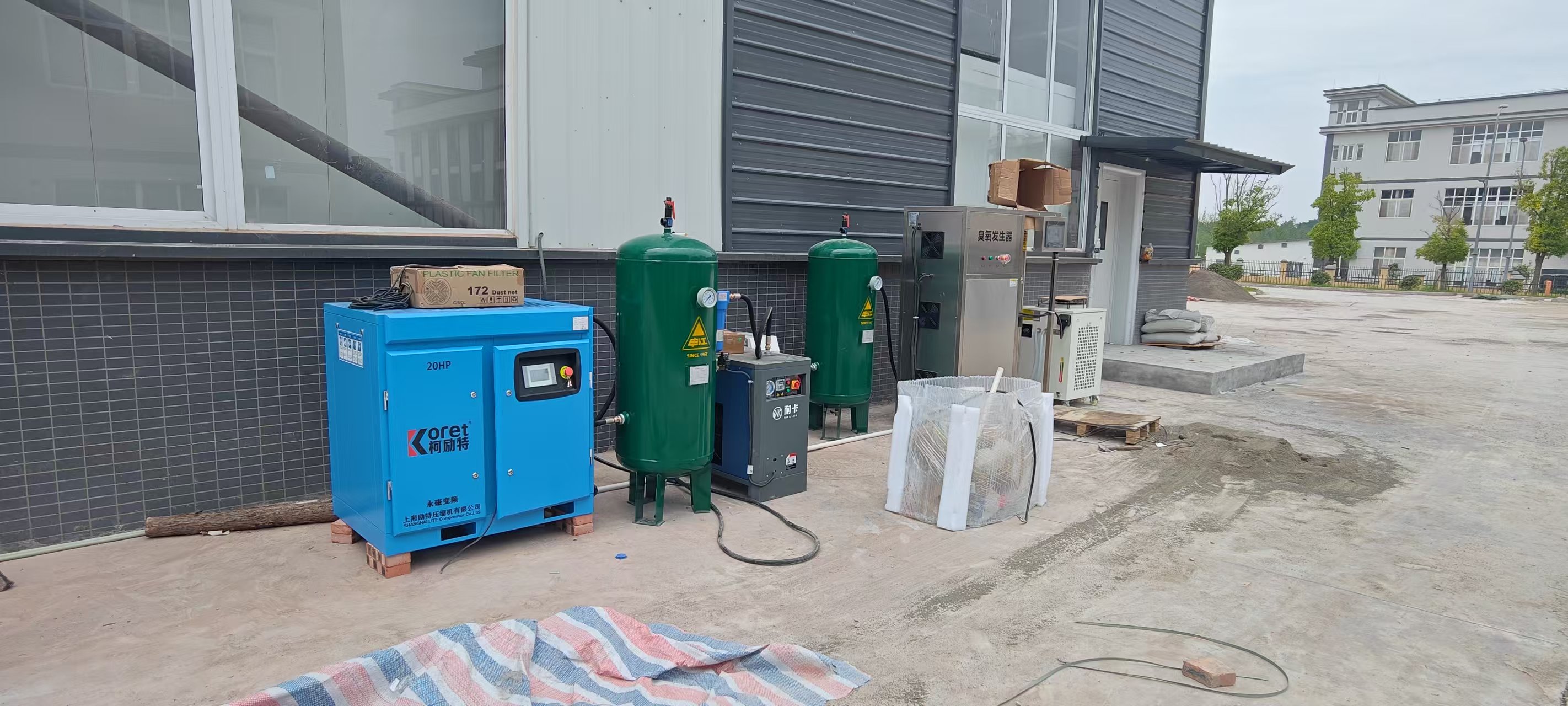
When Is Indoor Ozone Monitoring Necessary?
Monitoring becomes particularly important where ozone is generated or transferred close to working areas. Hotels, food processing rooms, water treatment plants, laboratories, and equipment rooms may all require different monitoring arrangements depending on ozone output, ventilation, occupancy, and operating procedures.
OSHA lists an 8-hour time-weighted average permissible exposure limit of 0.1 ppm for occupational ozone exposure. NIOSH also identifies 0.1 ppm as a recommended upper limit. These figures show why relying on smell alone is not an appropriate safety strategy.
What Should An Ozone Monitor Measure?
A suitable Indoor Ozone Safety Monitor should provide a clear ozone concentration reading and, where appropriate, audible or visual alarms. Industrial installations may also benefit from relay outputs that can interact with ventilation equipment, alarms, or ozone generation controls.
- Real-time ozone concentration display
- Adjustable alarm thresholds
- Stable performance during continuous operation
- Easy calibration and routine maintenance
- Suitable protection for the installation environment
Sensor Location Can Affect Detection
Sensor placement should reflect the actual risk area rather than simply being installed beside the ozone generator. Engineers normally consider gas flow, room volume, ventilation direction, operator access, and potential leakage points before determining the monitoring position.
A properly positioned Commercial Ozone Detector can provide earlier warning of abnormal conditions and help operators investigate leaks, ventilation failures, or process changes.
Monitoring Should Work With The Ozone System
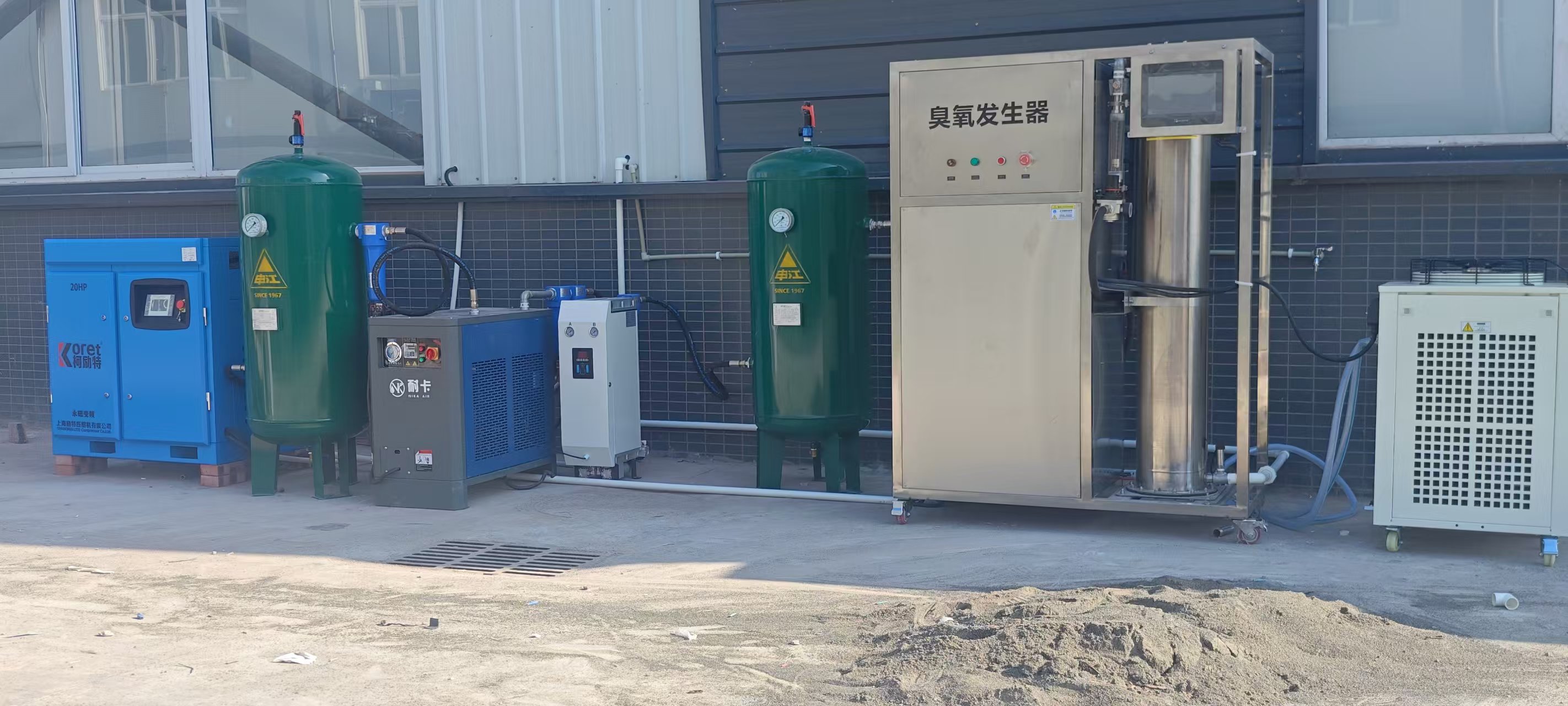
Monitoring is most effective when it is integrated into the wider ozone process. Feili develops ozone equipment for water treatment, food processing, aquaculture, commercial sanitation, and other industrial applications, where reliable operation requires coordination between ozone generation, gas transfer, ventilation, and safety control.
For facilities using Industrial Ozone Generator equipment, monitoring can become part of a practical protection sequence: detect abnormal concentration, trigger an alarm, stop or reduce ozone production where applicable, and increase ventilation according to the site's safety procedure.
Practical Selection Checklist
| Requirement | What To Check |
| Detection range | Match the expected ozone concentration and application |
| Alarm function | Confirm visual, audible, or external alarm options |
| Installation | Consider room size, airflow, and possible leakage points |
| Maintenance | Check calibration and sensor replacement requirements |
Reliable ozone monitoring does not replace ventilation, leak prevention, or operating procedures. Instead, it adds an important layer of measurable control. For commercial ozone applications, selecting a properly specified monitor and integrating it into the system design can make daily operation safer, more predictable, and easier to manage.
