

Fresh fruits and vegetables are exposed to soil, irrigation water, handling equipment, and transportation environments before reaching consumers. As food safety requirements continue to increase worldwide, many processors are evaluating ozone as an additional sanitation technology. Properly applied ozone can help improve wash water quality while reducing microbial contamination on produce surfaces.
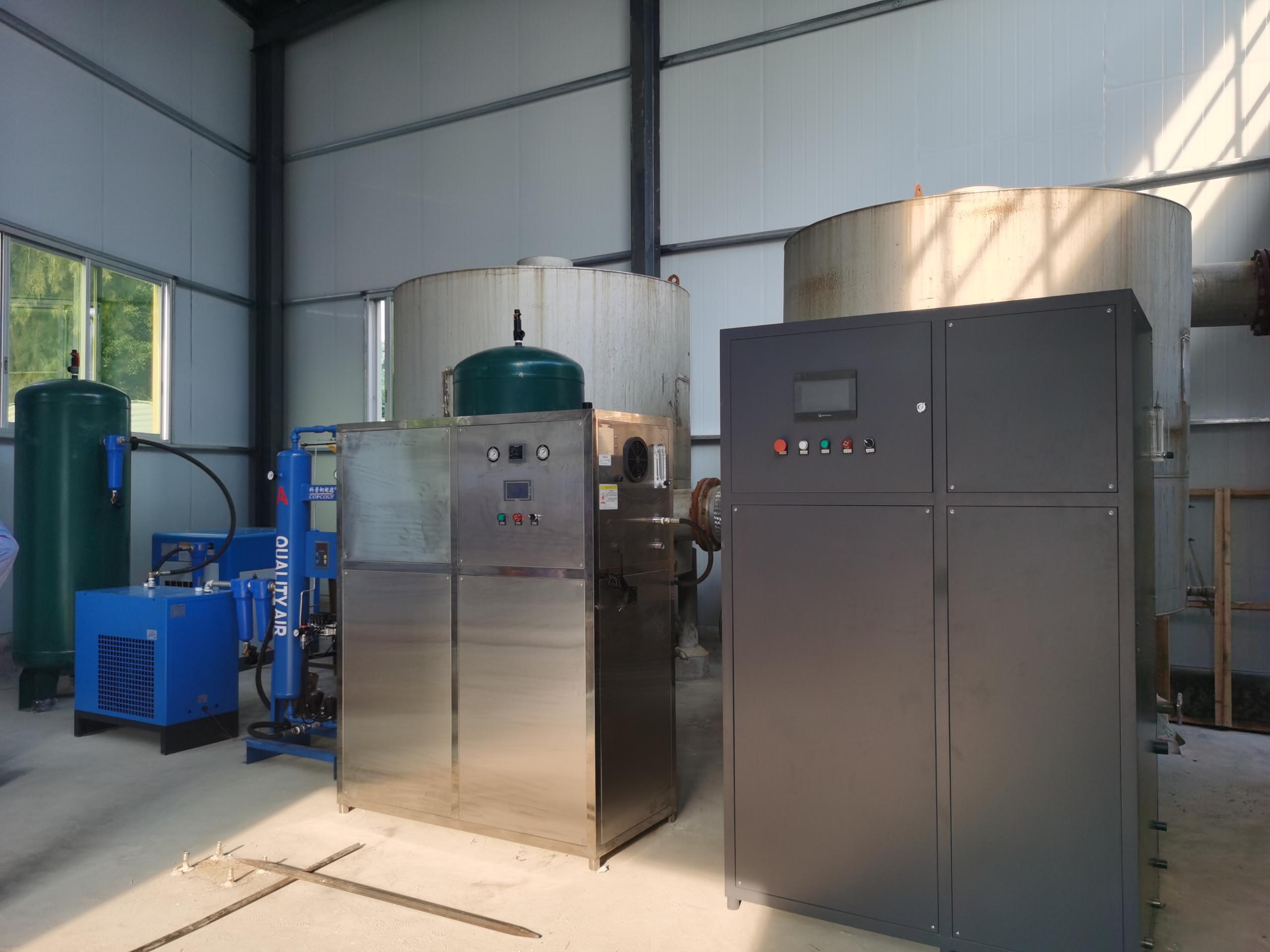
An advanced ozone produce wash system is designed to introduce controlled amounts of ozone into processing water, creating a powerful oxidation environment that supports hygiene management without leaving chemical residues.
Why Ozone Is Used In Produce Washing
Ozone is one of the strongest commercially available oxidants. The U.S. Food and Drug Administration recognizes ozone as Generally Recognized as Safe (GRAS) for food processing applications when used appropriately. Its ability to rapidly decompose into oxygen makes it attractive for operations seeking residue-free sanitation methods.
Unlike conventional chemical disinfectants that may leave by-products, properly managed ozonated produce wash water can help maintain water cleanliness throughout the washing cycle.
Microbial Reduction And Water Quality Benefits
Research published in food safety journals has shown that ozone treatment can contribute to reductions in common microorganisms found on fresh produce, including bacteria, molds, and yeasts. Actual performance depends on concentration, contact time, produce type, and water quality conditions.
Maintaining cleaner wash water also reduces the risk of cross-contamination between product batches during processing.
| Benefit | Operational Value |
| Water Sanitation | Improves overall wash water quality |
| Oxidation Performance | Helps control organic contaminants |
| Residue-Free Treatment | Ozone naturally decomposes into oxygen |
| Process Efficiency | Supports consistent cleaning operations |
System Components That Influence Performance
The effectiveness of a produce washing system depends not only on ozone generation capacity but also on how efficiently ozone is transferred into water. Proper mixing technology is essential for achieving stable treatment results.
Many manufacturers integrate components such as Ozone Airstone and Ozone Diffuser Stone to create fine bubbles that improve gas-liquid contact efficiency. These devices help maximize ozone utilization while reducing gas loss.
Applications Across Food Processing Facilities
Modern food processing ozone applications extend beyond leafy vegetables. Ozone wash systems are widely used for fruits, root vegetables, herbs, and other fresh products that require effective cleaning before packaging.
Processing facilities may also combine ozone treatment with filtration and circulation technologies to maintain stable water conditions throughout production shifts.
Supporting Safer Produce Handling
Equipment selection should consider water volume, processing capacity, and sanitation objectives. Solutions such as Ozone Sterilizers for Vegetable Fruit and Fruit Vegetable Ozone Washer systems are often configured according to operational requirements and facility layouts.
Many facilities also deploy Ozone Produce Cleaner technologies at different stages of handling to support a more comprehensive hygiene strategy.
Conclusion
Ozone technology continues to play an important role in modern produce washing operations. When supported by proper system design and process control, ozone can help improve wash water quality, support food safety objectives, and contribute to cleaner processing environments while avoiding residual chemical concerns.
