

Modern pool water treatment systems increasingly rely on ozone because it provides powerful oxidation without creating the high levels of chloramines often associated with traditional disinfection. While ozone offers significant advantages, proper management of residual gas is critical. This is why a well-designed pool ozone treatment system normally includes a dedicated degassing stage. Without effective degassing, unused ozone can accumulate in circulation equipment and affect operational safety, system efficiency, and user comfort.
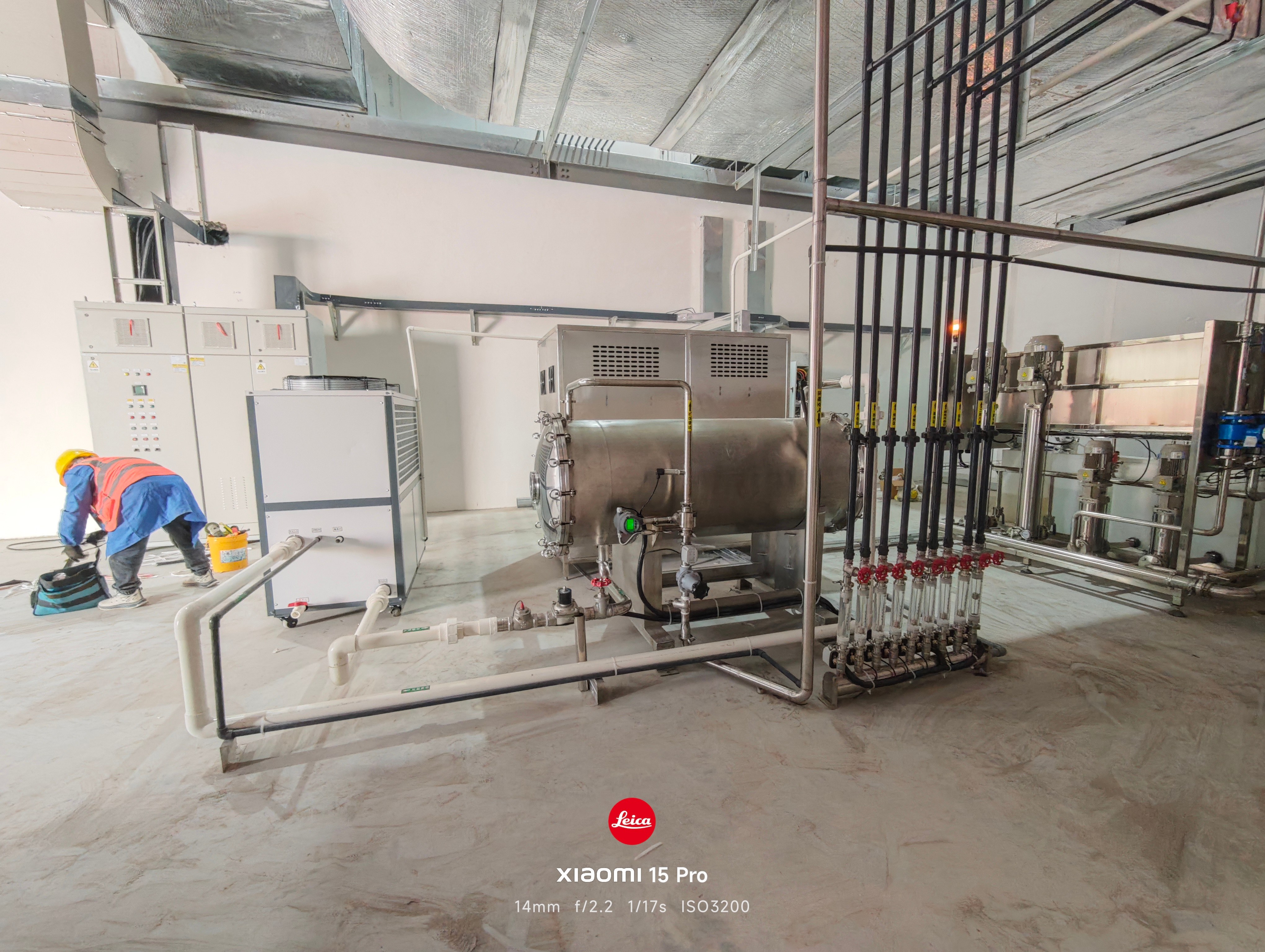
Understanding Residual Ozone After Water Treatment
During ozonation, only a portion of injected ozone dissolves into water and reacts with contaminants. The remaining gas must be separated before water returns to the circulation loop. According to technical studies published by the U.S. Environmental Protection Agency, ozone transfer efficiency varies depending on injector design, water temperature, pressure, and contact conditions. Even highly efficient systems can leave residual gas that requires removal.
A properly engineered pool ozone degassing chamber captures this excess ozone and directs it to a destruction device or ventilation system. This process prevents gas buildup and helps maintain stable operation.
Benefits of Installing a Degassing Chamber
- Reduces residual ozone accumulation inside piping.
- Improves overall ozone transfer efficiency.
- Protects pumps, seals, and monitoring equipment.
- Enhances safety for operators and facility users.
- Supports compliance with indoor air quality requirements.
For large-scale recreational pools and professional aquatic facility projects, these benefits become increasingly important as ozone production capacity rises.
How Degassing Works Within The System
After ozone enters the contact tank, water and gas move through a separation process. The degassing chamber slows flow velocity and allows undissolved ozone bubbles to rise and separate from the water stream. Collected gas is then safely destroyed before release.
| System Component | Main Function |
| Ozone Generator | Produces ozone gas for oxidation and disinfection |
| Contact Tank | Provides reaction time for ozone transfer |
| Degassing Chamber | Removes undissolved ozone gas |
| Ozone Destructor | Converts residual ozone into oxygen |
Equipment Selection Matters
Manufacturers often focus on ozone output, but system balance is equally important. High-performance ozone generation equipment should be matched with efficient gas transfer and removal technologies. Components such as Ozone Diffuser Stone and Fine Bubble Ozone Diffuser can significantly improve ozone dissolution rates, reducing the amount of unused gas entering the degassing stage.
In many installations, engineers also combine precision injectors with Swimming Pool Ozone Generators to achieve more stable oxidation performance while minimizing ozone waste.
Considerations For Commercial Pool Applications
Commercial swimming pools experience continuous contaminant loading from swimmers, cosmetics, and environmental debris. Maintaining water clarity while reducing chemical consumption is often a key operational objective.
Facilities using advanced Commercial Pool Ozonators frequently report lower combined chlorine levels and improved water appearance. However, these benefits depend on proper system design, including effective ozone destruction and degassing.
Final Thoughts
Degassing is not simply an optional accessory. It is a fundamental part of a complete ozone treatment process. By removing residual ozone safely and efficiently, a properly designed degassing chamber helps maximize oxidation performance, improve equipment reliability, and support long-term water quality goals for modern pool operations.
