

An ozone venturi injector is widely used in water treatment systems because it provides an efficient method to mix ozone gas with water. However, one common question during system design is whether a booster pump is necessary.
The answer depends on the available water pressure, flow rate, injector specifications, and required ozone suction performance. A correctly designed system can achieve stable ozone injection without unnecessary energy consumption.
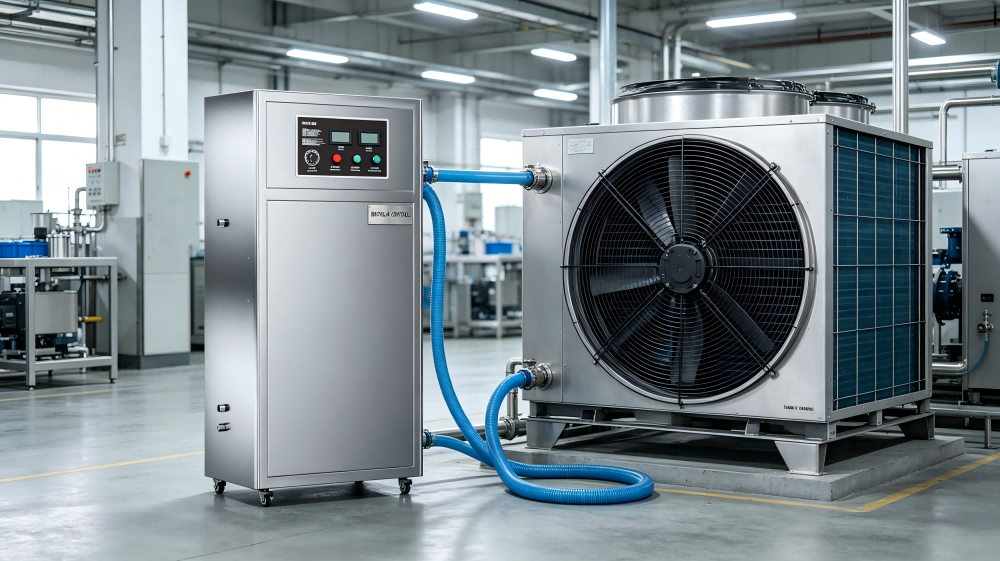
As an ozone equipment manufacturer, Feili evaluates hydraulic conditions before recommending injection solutions. The purpose is to ensure that ozone gas enters the water stream effectively and achieves sufficient mixing.
How Does An Ozone Venturi Injector Work?
Venturi Ozone Systems uses pressure differences to create suction. When water flows through the injector throat, velocity increases and pressure decreases, allowing ozone gas to be drawn into the water.
| System Parameter | Importance |
| Water Flow Rate | Determines injector capacity and suction performance |
| Pressure Difference | Creates the vacuum required for ozone injection |
| Ozone Gas Flow | Affects oxidation capacity |
| Pipe Design | Influences pressure loss and system stability |
Many industrial systems require a minimum pressure differential to operate effectively. The exact requirement depends on injector design and application conditions.
When Is A Booster Pump Required?
A booster pump may be needed when the existing water circulation system cannot provide enough pressure for injector operation.
- Water pressure is lower than injector requirements
- Long pipelines create excessive pressure loss
- Higher ozone gas flow is required
- Stable injection performance is needed during changing conditions
For example, large water treatment projects often use booster pumps because pipeline resistance, elevation changes, and flow variations can reduce available pressure.
How To Match A Booster Pump With A Venturi Injector
Selecting a pump requires considering several technical factors:
- Required water flow rate
- Injector pressure requirement
- Pipeline length and diameter
- Continuous operating hours
- Water quality conditions
An oversized pump may increase electricity consumption, while an undersized pump may fail to provide sufficient suction. Proper hydraulic calculation helps achieve balanced performance.
Why Injector Material Selection Is Important
Ozone is highly oxidative, so material compatibility is critical. Components exposed to ozone should have strong chemical resistance to maintain long service life.
A professional PVDF Venturi Injector Manufacturer considers material performance, machining accuracy, and application conditions when producing ozone injection components.
PVDF is commonly selected for ozone systems because it provides excellent resistance against oxidation and chemical corrosion.
Applications Using Ozone Venturi Injection
Venturi injection technology is used in many ozone treatment fields, including:
- Industrial wastewater treatment
- Swimming pool purification systems
- Commercial water treatment machinery
- Aquaculture circulation systems
- Food processing water applications
For swimming pool applications, combining efficient injection with Ozone Machine for Swimming Pools can improve oxidation performance and help reduce chemical consumption when properly designed.
What Should Be Checked Before Installation?
Before installing an ozone venturi system, engineers should confirm:
- Available water pressure
- Required ozone injection volume
- Injector material compatibility
- Pump operating conditions
- Maintenance requirements
Final Thoughts On Booster Pump Selection
An ozone venturi injector does not always require a booster pump. The correct decision depends on hydraulic conditions and system requirements. Proper evaluation of pressure, flow, and injector performance helps create a stable and efficient ozone mixing system.
