

Ozone Generator Safety: What Every Facility Manager Needs to Know
Ozone is one of the most powerful disinfectants available. It kills bacteria, viruses, and mold faster than chlorine. It leaves no chemical residues. It decomposes to oxygen.
But ozone is also a respiratory irritant. Used incorrectly, it can harm the people it is meant to protect.
Understanding ozone safety is not optional. It is essential for anyone who operates an ozone generator in a commercial or industrial facility.
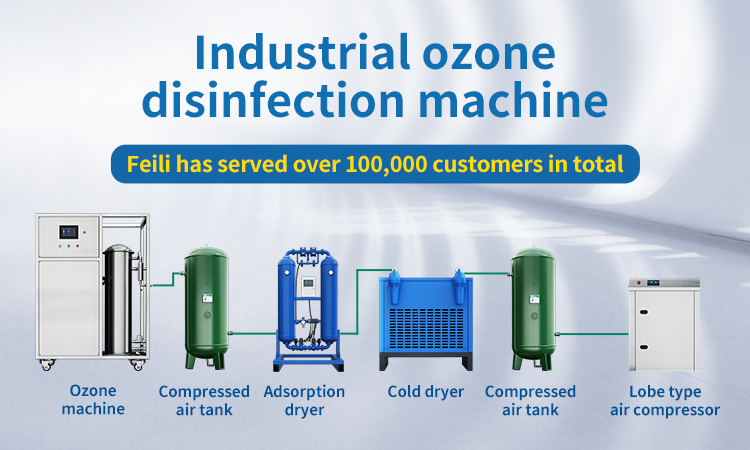
The Numbers That Matter
The Occupational Safety and Health Administration (OSHA) sets the permissible exposure limit for ozone at 0.1 parts per million (ppm) averaged over an eight-hour work shift . The National Institute for Occupational Safety and Health (NIOSH) recommends the same ceiling limit .
These are not arbitrary numbers. At concentrations of 1 ppm, ozone can cause irritation to the eyes, nose, and throat . At 2 to 3.7 ppm, healthy individuals experience irritation within minutes . At higher levels, ozone can cause chest pain, shortness of breath, and lung damage .
The Immediately Dangerous to Life or Health (IDLH) concentration for ozone is 5 ppm . At 15 to 20 ppm, ozone is lethal to small animals within two hours .
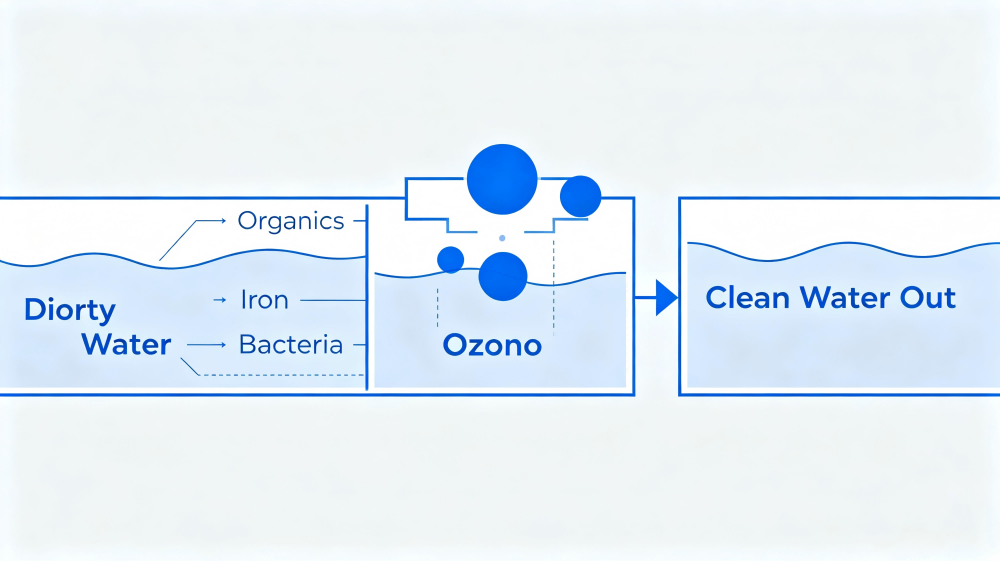
The Two Types of Ozone Exposure
Acute exposure happens when someone enters a space during an active ozone treatment cycle. Symptoms include cough, throat irritation, headache, chest tightness, and upset stomach . High-level exposure can cause pulmonary edema.
Chronic exposure happens when workers are repeatedly exposed to low levels of ozone over time. This can lead to chronic lung impairment and respiratory disease .
The good news? Both types of exposure are entirely preventable.
The Industry's Wake-Up Call
Real-world incidents remind us why safety matters. In March 2024, a food processing plant in China experienced an acute ozone poisoning accident. Five workers were affected when an ozone generator timer was set incorrectly, and the unit continued running during working hours . A similar incident had occurred at another facility the previous year .
The lesson is simple: safety protocols are not paperwork. They save people from harm.
How to Use an Ozone Generator Safely
Step 1: Treat only unoccupied spaces. Never run a disinfection cycle with people in the room. This is the most important rule. The high ozone concentrations required for effective disinfection — typically 5 to 10 ppm — are not safe for breathing .
Step 2: Use timers. Set the treatment duration before starting the cycle. The generator should shut off automatically. Manual operation is dangerous because it requires someone to be present to turn off the unit.
Step 3: Ventilate after treatment. Before anyone re-enters the space, ventilate thoroughly. Open windows and doors. Wait 15 to 30 minutes. If you still smell ozone, wait longer. Ozone has a sharp, characteristic odor that is detectable at concentrations as low as 0.01 to 0.05 ppm — well below the safety limit .
Step 4: Post warning signs. Any door behind which an ozone generator is running should display a clear warning sign: "Ozone Treatment in Progress — Do Not Enter."
Step 5: Train all staff. Every worker who may come into contact with ozone equipment must understand the safety protocols. This includes when to enter, how to ventilate, and what to do in case of accidental exposure.
What to Do in Case of Accidental Exposure
If someone enters a space during ozone treatment :
-
Get the person to fresh air immediately
-
Remove them from the treated area
-
If breathing is difficult, provide oxygen
-
If symptoms persist, seek medical attention
For minor throat or eye irritation, fresh air usually resolves symptoms within minutes. But do not take chances with respiratory distress.
How to Choose a Safe Ozone Generator
Not all ozone generators are built with safety in mind. When purchasing, look for:
Programmable timers. Automatic shutoff is non-negotiable. Manual operation is unsafe.
Status indicators. Clear lights showing when the unit is running, when the cycle is complete, and when the space is safe to re-enter.
Robust construction. 304 stainless steel housings prevent ozone from degrading the unit itself, which could lead to leaks.
Safety certifications. CE certification indicates that the equipment meets international safety standards.
Ozone destruct systems. For professional applications, an integrated ozone destruct unit converts residual ozone to oxygen at the end of the cycle, eliminating the need for manual ventilation.
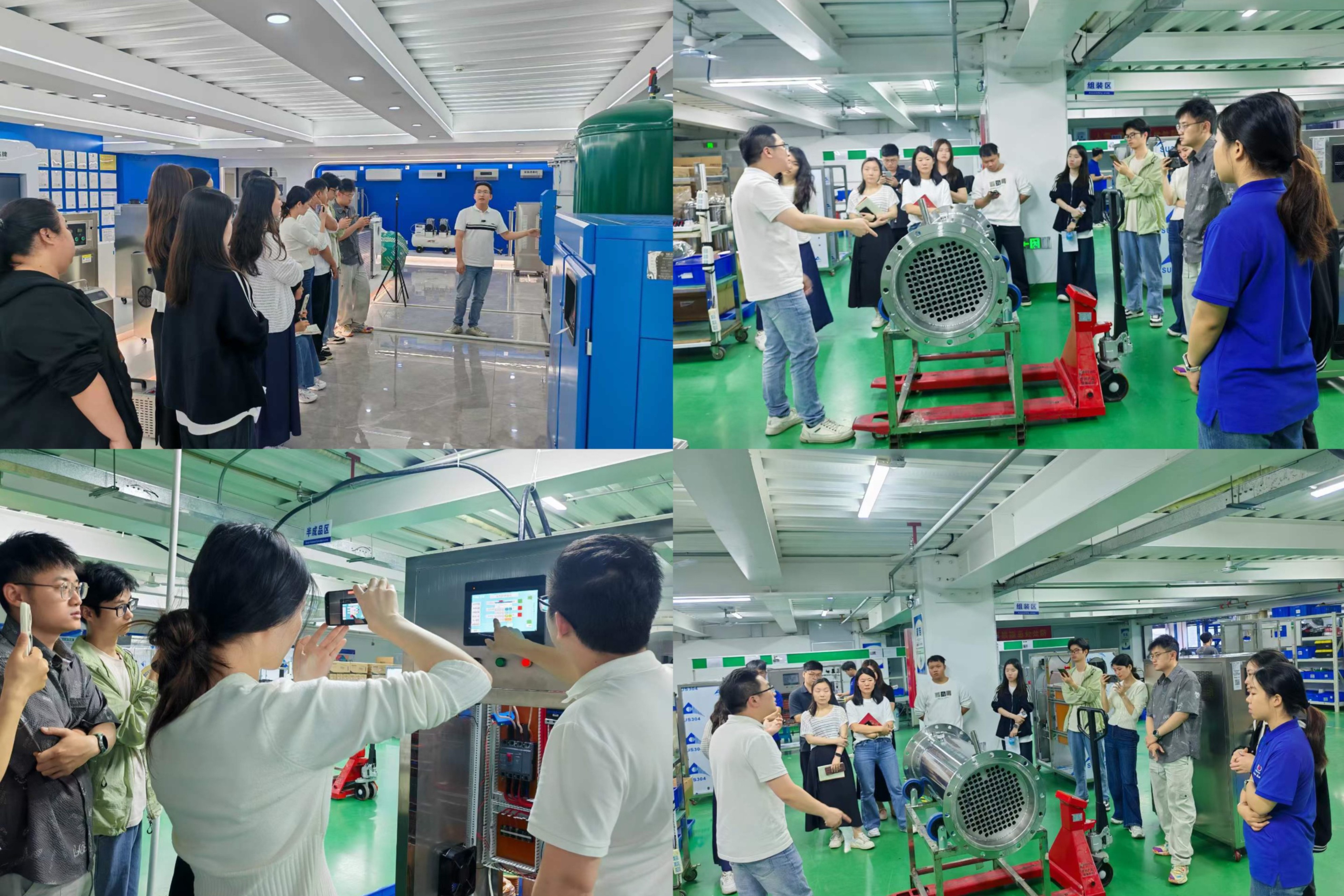
FEILI Electric: Safety Built In
FEILI Electric has been manufacturing ozone equipment since 2011. Every Ozone Generator Machine includes programmable timers, status indicators, and 304 stainless steel construction. Our Ozone Disinfection Machine units feature CE certification and clear safety labeling.
FEILI's Industrial Ozone Generator systems are designed with safety as a priority — not an afterthought. Our engineering team can help you establish proper protocols for your facility.
Need a safe, reliable ozone system for your facility? Contact FEILI. We will help you choose the right equipment and set up the right safety protocols.
