

Electrochemical Ozone Generation Market Gains Traction as NOx-Free Technology for Medical and Pharmaceutical Applications
A May 2026 review in RSC Advances confirms electrochemical ozone generation is emerging as a viable alternative to traditional DBD systems, particularly for applications requiring high-purity ozone without nitrogen oxide byproducts .
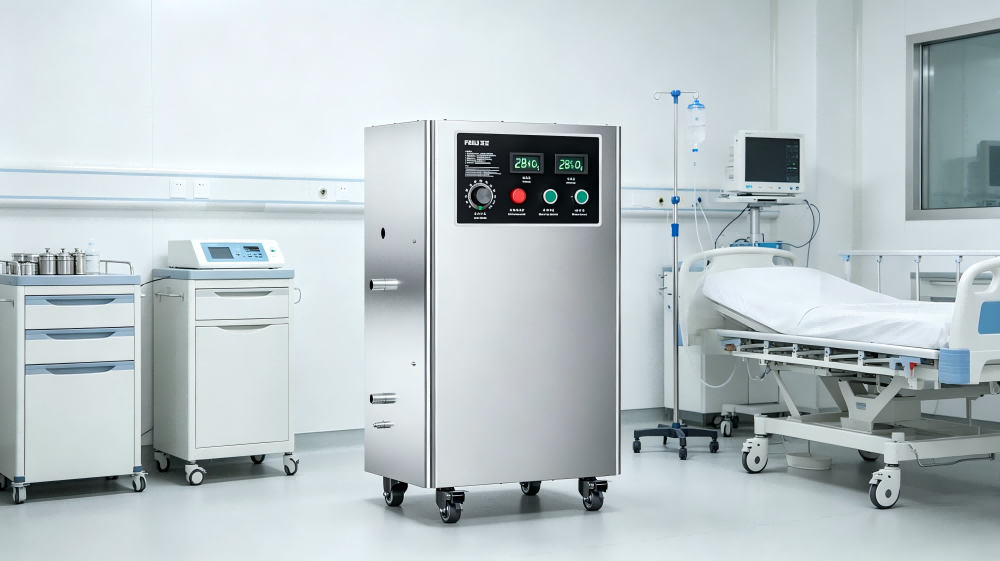
Ozone has been used for decades in water treatment, air purification, and medical disinfection. But the most common way to make it — dielectric barrier discharge — has a problem. When you run DBD generators with ambient air, the high-voltage plasma creates nitrogen oxides. These compounds can corrode equipment, reduce ozone purity, and create safety concerns .
Electrochemical ozone generation works differently. Instead of passing high-voltage discharge through air, it splits water molecules in an electrolytic cell. The oxygen atoms recombine as ozone on the anode surface. The only byproducts are hydrogen and oxygen .
The RSC Advances review, published in May 2026, systematically compares ultraviolet, DBD, and electrochemical ozone generation methods across several dimensions: working principles, system design, energy efficiency, economic viability, and safety . The authors note that electrochemical methods show "a low tendency for NOx formation and a rapid response to load variations" — advantages that make them particularly suitable for medical disinfection, compact systems, and high-purity applications .
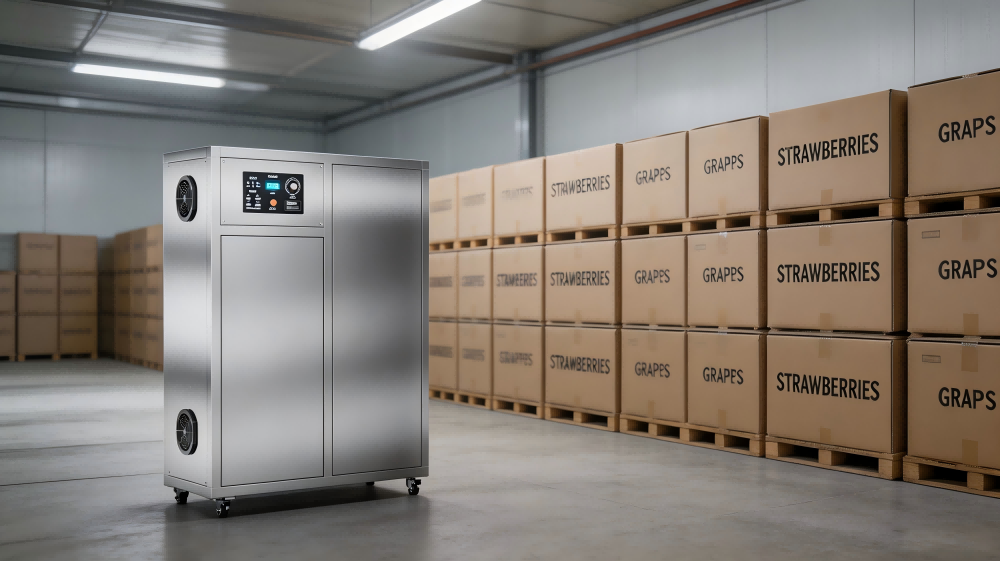
Why Medical and Pharmaceutical Buyers Are Paying Attention
For a hospital sterilizing surgical instruments or a pharmaceutical plant maintaining aseptic conditions, ozone purity matters. NOx contamination is not acceptable. Neither is equipment corrosion from nitric acid formation.
Electrochemical systems operate at low voltage DC and require no feed gas preparation. Output remains consistent regardless of ambient air quality or humidity . Faraday Ozone's EOG series, for example, produces ozone at 28% concentration with 72% oxygen — far higher than what corona discharge or UV methods can achieve .
Market data confirms the shift. According to a January 2026 report from Persistence Market Research, the electrolytic and oxygen-fed ozone generation segment is the fastest-growing technology category, expanding at a 7.5% compound annual growth rate . While corona discharge still holds over 60% of the market, its growth is limited to incremental efficiency gains. Electrolytic systems are gaining ground in healthcare sterilization and decentralized water treatment .
The Insight Partners forecasts the ozone generator market will grow at 5.8% CAGR through 2034, with electrolytic generators listed as one of the key technology segments . The broader ozone technology market, valued at $1.7 billion in 2026, is projected to reach $2.7 billion by 2033 .
What This Means for Facility Managers
If you operate a medical facility, pharmaceutical plant, or food processing line, the question is no longer whether ozone can replace chemical disinfectants. The question is which generation technology makes sense for your application.
DBD systems are proven and cost-effective for large-scale municipal water treatment where NOx byproducts are less of a concern. But for applications where purity and safety are paramount — sterile processing, pharmaceutical manufacturing, laboratory decontamination — electrochemical systems offer a cleaner path.
The RSC Advances review emphasizes that future ozone technologies must be "safer, more energy-efficient, and more sustainable" . Electrochemical generation aligns with all three goals. Lower voltage operation reduces safety risks. No NOx formation eliminates corrosive byproducts. Higher ozone concentration means less gas handling.
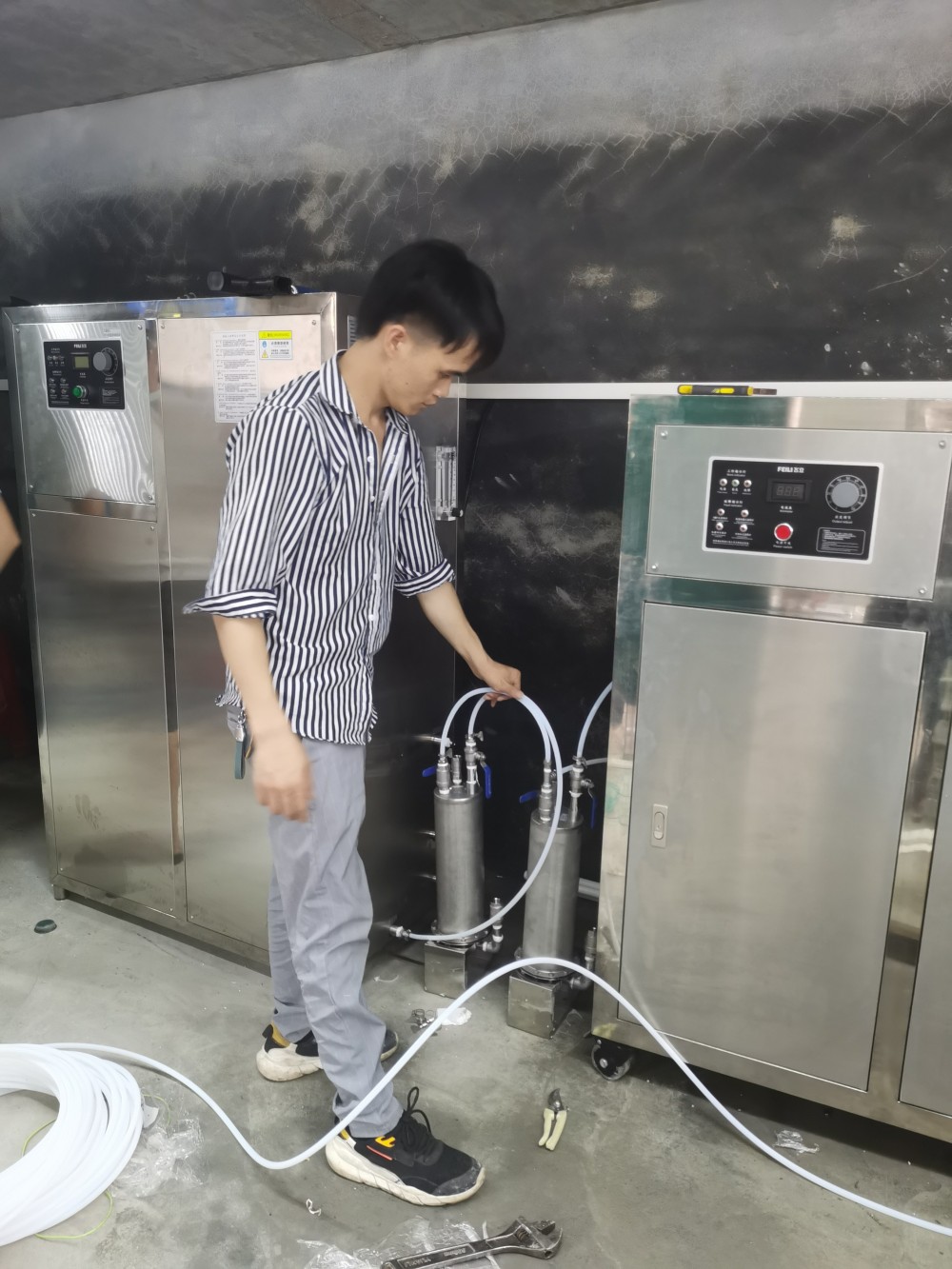
FEILI Electric manufactures Ozone Disinfection Machine systems suitable for healthcare, pharmaceutical, and food processing applications. Our Commercial Ozone Air Purifier product line can be configured with precision controls for occupied-space disinfection. All FEILI Ozone Generator Machine units feature 304 stainless steel construction and CE certification. Since 2011, FEILI has supplied ozone solutions to clients in over 130 countries.
Need a high-purity ozone system for medical or pharmaceutical use? Contact FEILI to discuss the right configuration for your application.
