

Smart IoT Ozone Systems: The $930M Market Trend Reshaping Industrial Water Treatment
Large B2B buyers are shifting from standalone ozone generators to smart, connected systems. Remote monitoring, automated controls, and predictive maintenance are becoming baseline requirements.
The global ozone generator market is projected to grow from $493.6 million in 2026 to $930.4 million by 2035, at a 7.3% CAGR . Within this growth, smart IoT-enabled ozone systems are the fastest-growing segment, commanding 30%+ price premiums over conventional units .

Why Smart IoT Ozone Systems Are Taking Off
Overseas factories face a critical labor shortage. Maintenance technicians are increasingly hard to find. Facilities need equipment that requires minimal on-site staff attention.
Remote monitoring is no longer optional. Facility managers need real-time visibility into ozone output, flow rates, and system health — without being physically present .
Predictive maintenance prevents costly downtime. Smart systems detect performance degradation before failure occurs. This matters for continuous industrial operations where unplanned shutdowns cost thousands per hour.
Automated controls ensure consistent treatment. Self-adjusting ozone output based on water quality parameters eliminates human error and reduces chemical usage .
What Smart Buyers Are Looking For
IoT integration capability. Systems must connect to existing SCADA or building management systems. Open protocols matter.
Real-time concentration monitoring. Accurate dissolved ozone measurement with automated adjustment loops is non-negotiable.
Remote diagnostics and alerts. Facility managers want push notifications when parameters drift outside set points.
Data logging and compliance reporting. Automated documentation saves time during regulatory audits .
Where Smart Systems Are Winning Largest Contracts
Municipal wastewater treatment plants. Utility managers need systems that operate with minimal on-site supervision. Remote monitoring allows one technician to cover multiple facilities.
Industrial water reuse projects. Complex water chemistry requires precise ozone dosing. Smart systems adjust automatically to changing feed water quality.
Food processing facilities. Compliance documentation is automated. No manual logbooks. No errors.
Aquaculture RAS operations. Remote monitoring allows farm managers to oversee multiple sites from a central control room .
The Technology Behind Smart Ozone
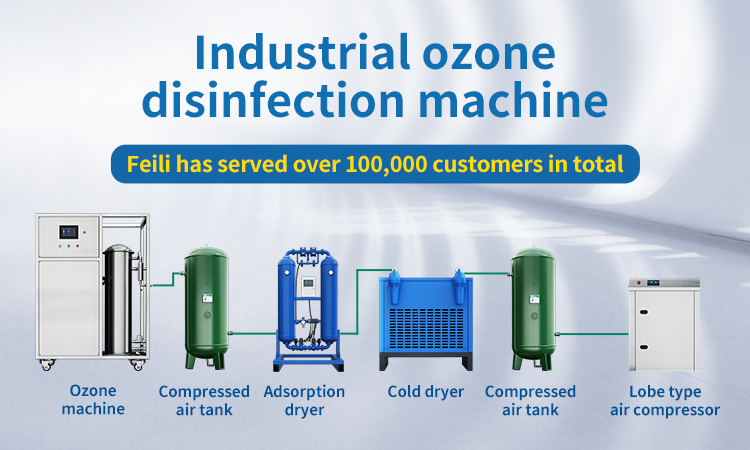
PLC-based controls are standard. Touchscreen interfaces. Modbus or Ethernet communication. Remote access via secure VPN.
ORP sensors provide continuous feedback on disinfection efficacy. Automated output adjustment maintains optimal treatment levels .
Predictive algorithms analyze operating data to forecast maintenance needs. Less downtime. Lower total cost of ownership.
Cloud connectivity enables fleet management. One dashboard for multiple units across multiple sites.
FEILI Positioning
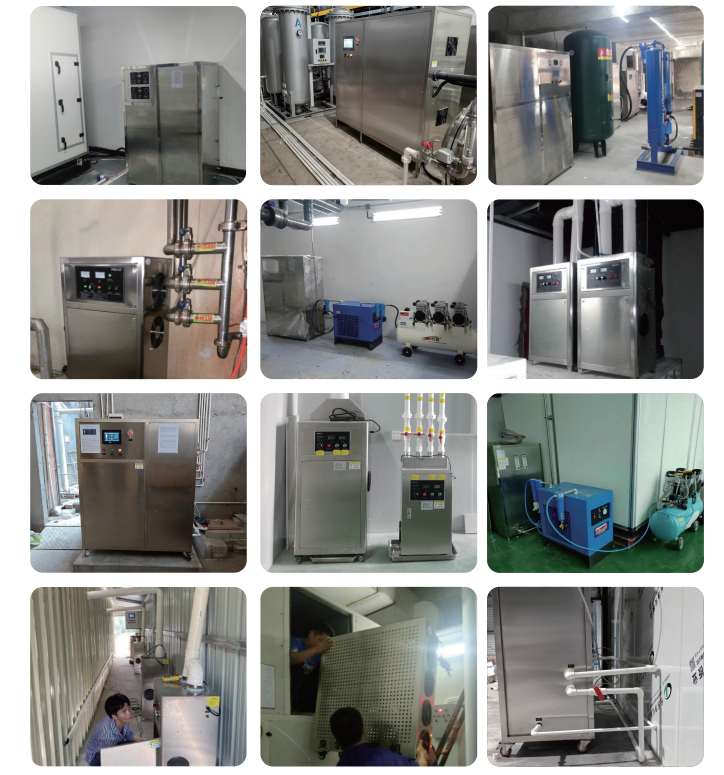
Since 2011, FEILI Electric has supplied Ozone Generator Machine systems with advanced PLC controls and remote monitoring capabilities. Our smart ozone systems are used by municipal water facilities, food processors, and aquaculture operations across 130+ countries.
FEILI's Ozone Machine for Water Treatment series features touchscreen interfaces, Modbus communication, and optional cloud connectivity. Facility managers can monitor performance, adjust settings, and receive alerts from anywhere.
For industrial applications, FEILI's Industrial Ozone Generator units integrate with existing SCADA systems. Automated controls reduce operator workload and ensure consistent treatment.
All FEILI systems are built with 304 stainless steel and backed by CE certification. Our Ozone Disinfection Machine product line offers both air and water treatment configurations for large-scale commercial facilities.
Need a smart ozone system for your facility? Contact FEILI. Our team will help you specify the right configuration with the automation features you need.
