

Chemical oxygen demand (COD) removal is one of the most common goals in advanced wastewater treatment. Ozone is widely used as an oxidation technology because it can break down many organic compounds and improve water quality. However, selecting the correct ozone dosage is essential because insufficient ozone may reduce treatment efficiency, while excessive ozone increases operating costs.
As an ozone system manufacturer, Feili designs ozone solutions according to wastewater characteristics rather than using a fixed dosage for every application. A suitable Wastewater Ozone Treatment System should consider COD concentration, water flow, organic composition, and required treatment targets.
How Ozone Dosage Affects COD Removal
Ozone dosage refers to the amount of ozone applied to a certain amount of wastewater. The required dosage depends on the oxidation demand of pollutants.
| Wastewater Type | Typical Ozone Requirement |
| Low Organic Load Water | Lower ozone dosage for polishing treatment |
| Industrial Wastewater | Higher dosage depending on COD composition |
| Color Removal Applications | Dosage depends on dye and organic concentration |
| Biological Treatment Effluent | Often requires ozone as advanced oxidation treatment |
The exact ozone demand must be confirmed through water analysis and pilot testing. According to wastewater treatment studies, ozone consumption varies significantly depending on organic compounds, pH value, temperature, and reaction time.
How To Calculate Ozone Dosage For COD Removal
The basic calculation method is:
Ozone Requirement (kg/day) = Water Flow (m³/day) × Ozone Dosage (mg/L) ÷ 1000
For example, wastewater with a flow rate of 500 m³/day and an ozone dosage requirement of 20 mg/L would require approximately 10 kg of ozone per day.
However, COD removal efficiency is not determined only by ozone dosage. Ozone concentration, mixing efficiency, contact time, and wastewater composition also influence final results.
Factors That Influence COD Oxidation Performance
Different wastewater conditions require different ozone system designs. Important factors include:
- Initial COD concentration and pollutant type
- Biodegradability of organic materials
- Water temperature and pH value
- Ozone gas-liquid transfer efficiency
- Required discharge standard
A properly designed water treatment machinery improves oxidation efficiency by maximizing ozone contact with pollutants before ozone decomposition occurs.
Why Ozone Mixing Efficiency Is Important
Ozone is a gas, so transferring ozone into wastewater efficiently is essential. Poor gas-liquid mixing can cause ozone loss and increase energy consumption.
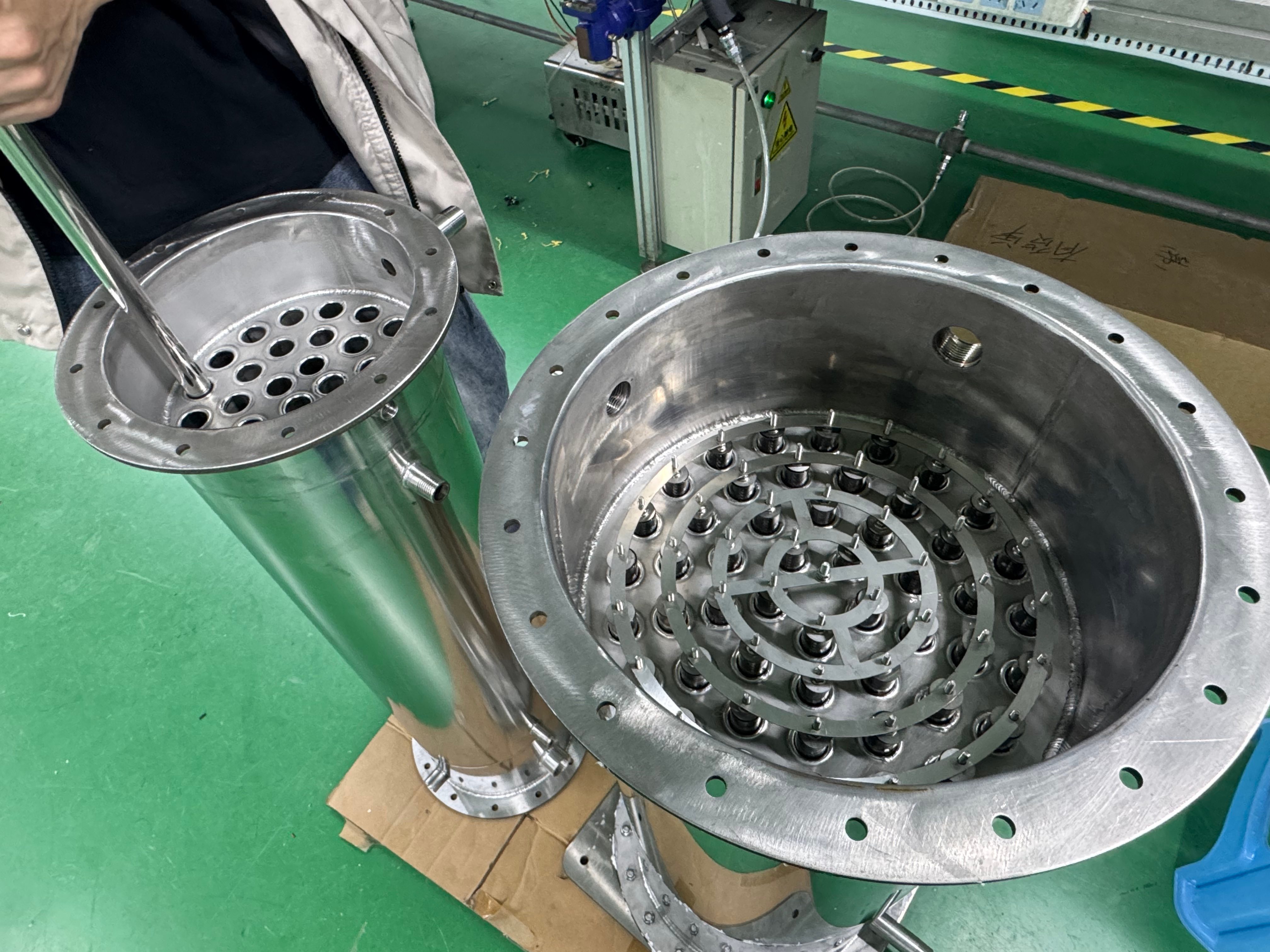
Feili integrates suitable injection and mixing methods according to different applications. In many industrial systems, components such as ozone injectors and contact tanks are designed together to improve ozone utilization.
How Manufacturers Select Wastewater Ozone Equipment
Before recommending ozonation water treatment equipment, professional manufacturers usually evaluate:
- Wastewater testing data
- Daily treatment capacity
- Target COD reduction
- Operating hours
- Available installation space
A complete Wastewater Ozone System Supplier should provide technical guidance from ozone generator selection to system integration, helping ensure stable operation after installation.
Applications Of Ozone COD Treatment Technology
Ozone oxidation is commonly applied in textile wastewater, chemical wastewater, food processing wastewater, and advanced municipal wastewater treatment. It is especially useful when traditional biological methods cannot easily remove certain organic compounds or color-causing substances.
For projects requiring reliable oxidation performance, combining ozone generation with proper monitoring and control equipment can improve operational stability.
Final Thoughts On Wastewater Ozone Dosage Selection
The correct ozone dosage depends on wastewater characteristics, treatment goals, and system design. Accurate calculation, professional testing, and optimized ozone transfer are key factors for achieving effective COD reduction while controlling operating costs.
