

Global Ozone Generator Market Hits $1.74B in 2026 as Municipal Wastewater Projects Drive Industrial Ozone Generator Demand
The global ozone generator market continues its steady climb. New data shows the market reached $1.74 billion in 2026, up from $1.61 billion in 2025. By 2030, it is projected to hit $2.36 billion.
What Is Driving the Growth?
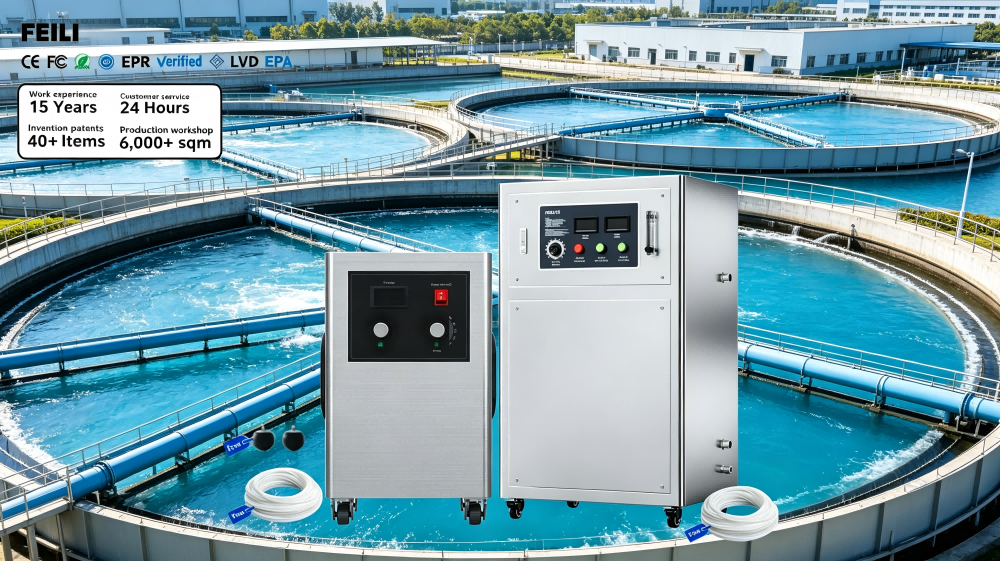
Municipal wastewater treatment is the biggest driver. Cities worldwide are upgrading their aging water infrastructure. Stricter environmental regulations are forcing facilities to adopt cleaner disinfection methods.
The numbers tell the story. The United Nations reports that 42% of global household wastewater still enters the environment without safe treatment. That is 113 billion cubic meters per year. Each treatment plant upgrade means new ozone equipment.
An Industrial Ozone Generator can treat large volumes of water without chemicals. No toxic byproducts. No secondary pollution. Just ozone, then oxygen.
New Projects Are Launching
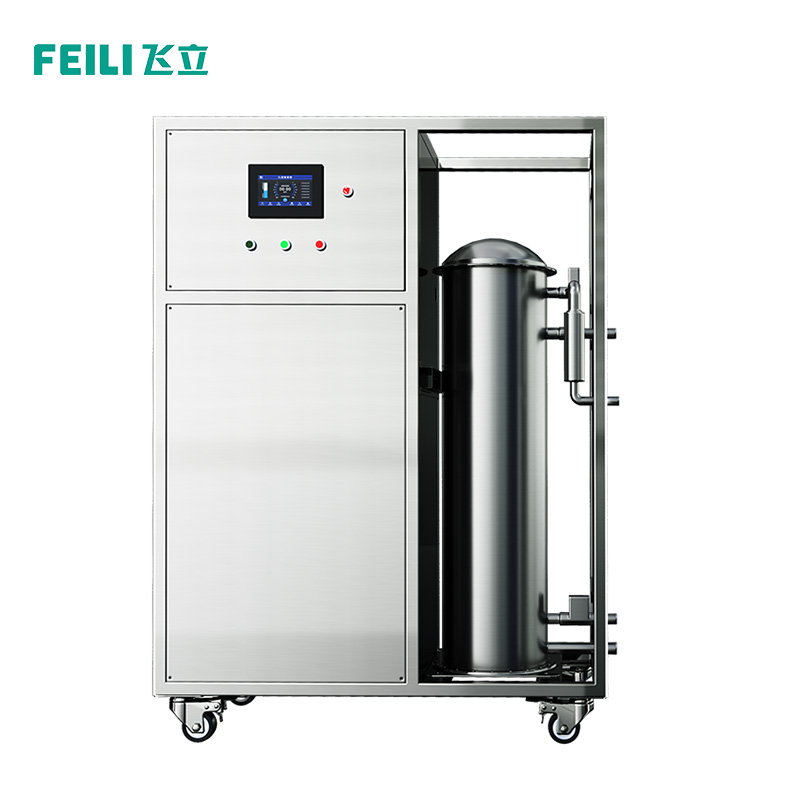
Recent bidding activity confirms the trend. In May and June 2026, multiple municipal wastewater projects issued tenders for ozone systems.
A wastewater plant in Northeast China announced plans to upgrade its ozone generation system. A water purification center in Chengdu issued a tender for ozone catalytic oxidation equipment, requiring suppliers to have at least $550,000 in past project experience.
These are not small purchases. Municipal projects mean large-scale Ozone Generator Machine systems. High output. Continuous operation. Long-term service contracts.
Why Municipalities Choose Ozone
Traditional chlorine disinfection creates byproducts. Trihalomethanes. Haloacetic acids. Both are regulated. Both require monitoring and reporting.
Ozone creates none of these.
A Commercial Ozone Generator sized correctly for a municipal plant delivers:
-
Primary disinfection without chemical storage
-
Oxidation of iron, manganese, and hydrogen sulfide
-
Improved taste and odor control
-
Reduced load on downstream biological filters
For plant operators, this means fewer chemicals to handle. Less paperwork. Lower long-term costs.
Beyond Municipal Water
Industrial wastewater is the second largest segment. Food processing plants, pharmaceutical facilities, and chemical manufacturers all generate wastewater that requires treatment before discharge.
An Ozone Disinfection Machine breaks down organic compounds that biological treatment cannot handle. Pesticides. Pharmaceuticals. Dyes. All oxidize in contact with ozone.
For industrial facility managers, the decision is about compliance. Discharge permits are getting stricter. Ozone helps meet the new limits.
Regional Growth
Asia Pacific leads the market. Rapid urbanization and industrial growth drive demand. India's National Clean Air Programme allocated $2.2 billion to 131 cities for air and water quality improvements.
North America and Europe are mature markets but still growing. Aging infrastructure needs replacement. Regulations continue tightening.
What This Means for Buyers
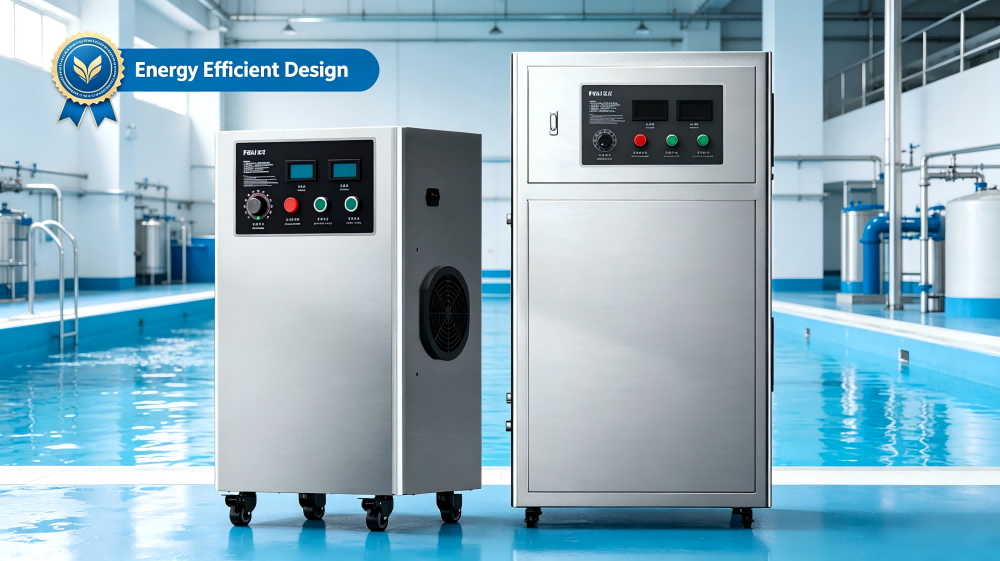
If you are evaluating an Industrial Ozone Generator for your facility, the market trends point to one conclusion. Ozone is no longer a niche technology. It is standard equipment for modern water treatment.
The technology is proven. The suppliers are established. The ROI is clear.
Feili Electric has been building ozone equipment since 2011. Our Ozone Generator Machine systems are used in municipal plants, food facilities, and industrial operations worldwide. CE certified. 40+ patents. Over 130 countries served.
Need a reliable ozone system for your project? Contact Feili. We will help you size the right equipment for your application.
