

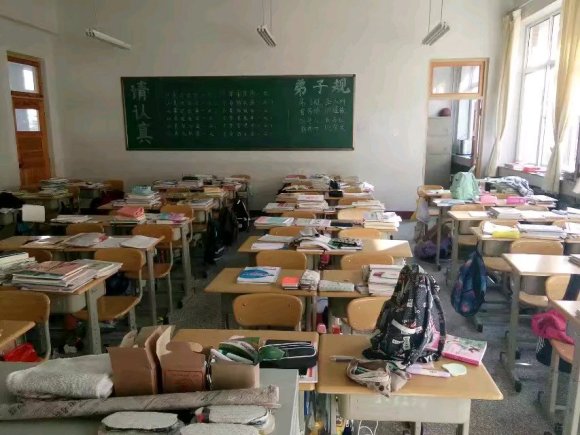
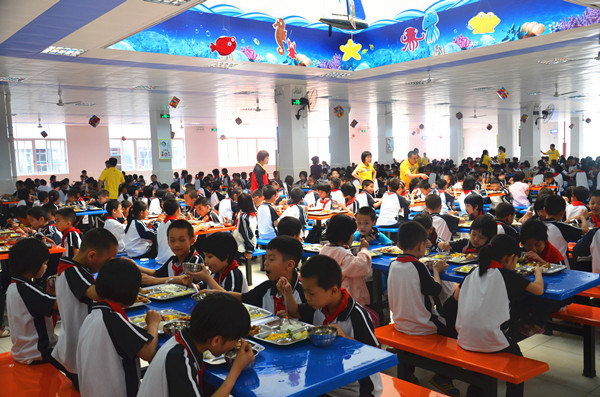
This isn't just about tidiness; it's about the direct link between the school environment and student well-being. Shared spaces are hotspots for germs. Consider the lifecycle of a common cold virus: it can land on a cafeteria tray, be transferred to a door handle, and then to a math textbook, all within a single lunch period. In confined classrooms with limited airflow, airborne particles from a single cough can circulate for hours. This constant, low-level exposure doesn't just lead to more sick days; studies suggest poor indoor air quality can reduce cognitive function, affecting concentration and academic performance.
The most concerning areas are often the most overlooked:
-
The Air Itself: In a packed classroom, CO2 levels can rise quickly, leading to drowsiness and reduced focus. More critically, airborne pathogens from illnesses flu to the common cold spread easily through ventilation systems.
-
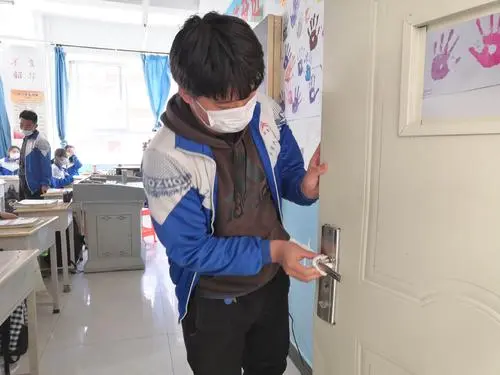
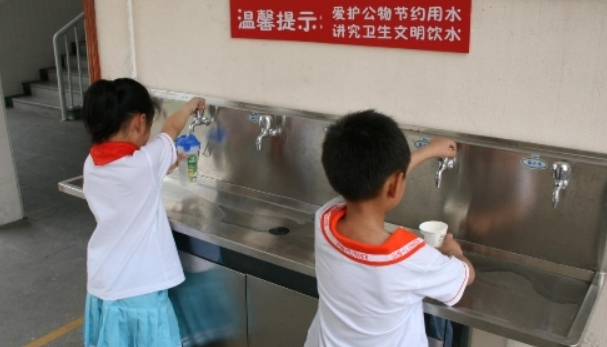
High-Touch Surfaces: While doorknobs and desks get some attention, other critical vectors do not. The buttons on the drinking fountain, the handles of gym equipment, and the shared computer keyboard in the library are rarely disinfected between each student's use.
-
Porous Materials: Bacteria and mold can thrive in the fabric of upholstered reading nook chairs, art room smocks, and even within the pages of frequently shared library books.
Addressing this requires a shift from reactive cleaning to proactive environmental management. This is where modern disinfection technology plays a crucial role. A professional ozone generator offers a powerful, complementary solution. When used properly in unoccupied spaces—such as overnight in classrooms or during weekends in gymnasiums—an Ozone Disinfection Machine can accomplish what wiping cannot. The ozone gas permeates the entire room, neutralizing odors, and, most importantly, oxidizing viruses, bacteria, and mold spores on surfaces and in the air. This process provides a deep, reset-level clean.
For ongoing air quality management during occupied hours, a Commercial Ozone Air Cleaner with integrated filtration and controlled oxidation can operate continuously. These systems, along with targeted Air Purifier Ozone Machine units for smaller offices or nursing stations, work to reduce the overall microbial and particulate load in the air students and staff breathe all day long.
The goal is not to create a sterile bubble, but a consistently healthier baseline. By integrating these technologies into their maintenance protocols, schools make a tangible investment in their community's health. The result is fewer interruptions from illness, a more focused and productive learning atmosphere, and the peace of mind that comes from knowing the unseen environment is being actively cared for. For administrators, it’s a practical strategy to support attendance, achievement, and the overall duty of care to every student and teacher.
