

As a distributor, you know these vague requests lead nowhere. Without specific parameters, you could recommend equipment that’s too weak to work or too powerful—wasting their budget and your credibility.
Here’s how to break through the ambiguity and find the right match.
Start with one question: What are we treating?
Not all ozone applications are the same. Clarify the scenario first:
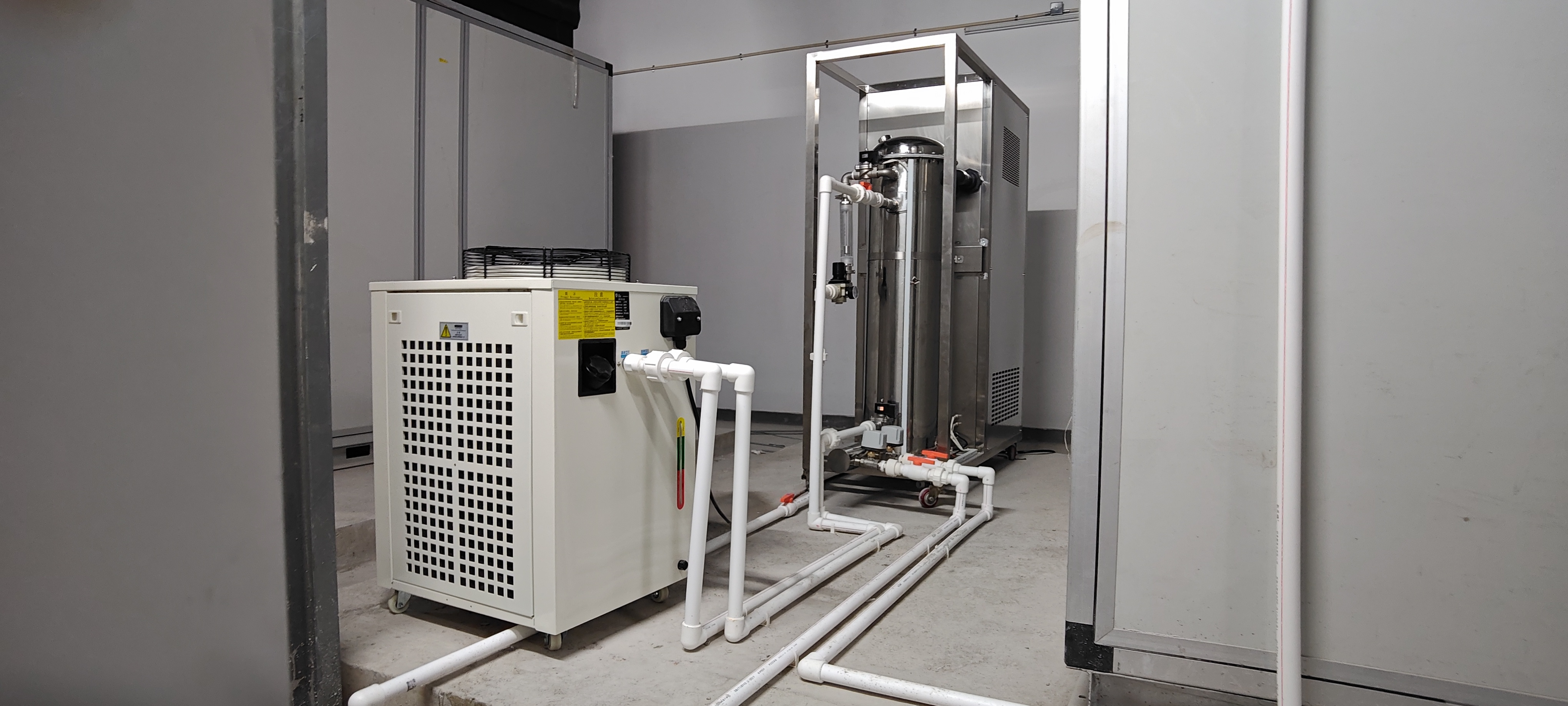
1. Air & Space Disinfection – Food plants, labs, cold storage. Ozone clears airborne pathogens in enclosed areas.
2. Water Purification – Drinking water, pool systems, process water. Here, ozone merges into broader water treatment machinery to create true Ozone Produce Cleaner solutions.
3. Wastewater & Effluent Treatment – Industrial discharge with organics or color. This often requires an integrated ozone generator water treatment plant setup for comprehensive treatment.
Knowing the category sets everything else in motion.
Next, gather specifics. Don't guess—ask.
For air applications, measure the space: length, width, height. Convert to cubic meters.
For water systems, identify the flow rate (tons per hour) and water type. Is it clean drinking water or contaminated process water?
For wastewater, go deeper:
COD level
Color intensity
Main contaminants
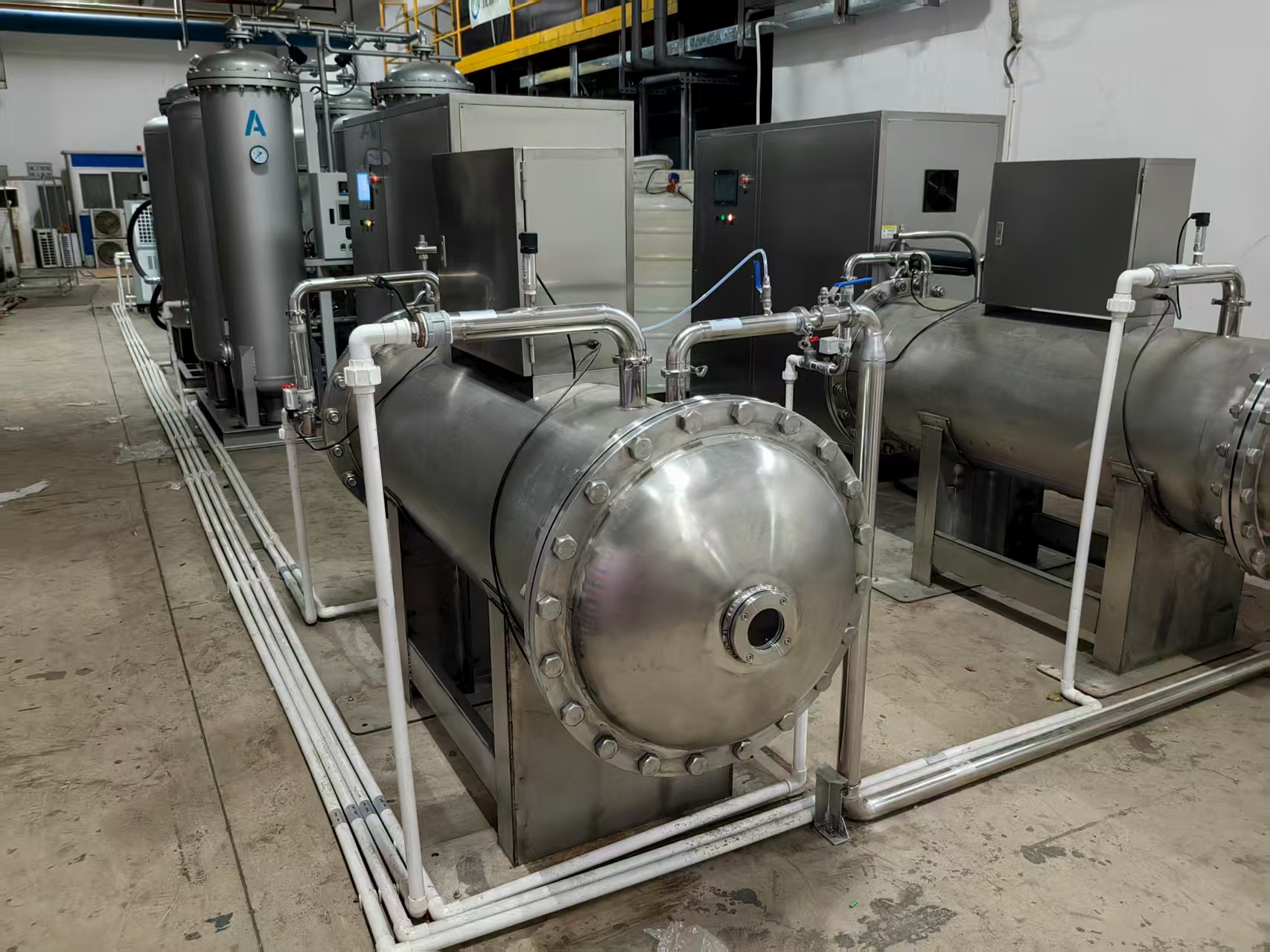
High-COD wastewater demands stronger ozone doses and extended contact time. That’s where robust water treatment machinery designed for ozone generator water treatment plant use stands out, delivering Ozone Produce Cleaner results in challenging environments.
Watch out for these common mistakes:
Mistake 1: Chasing power ratings
A higher wattage doesn't always mean better performance. Effective ozone output matters more. Two units with the same power can differ by 30% or more in actual ozone production. True Ozone Produce Cleaner systems focus on output, not just input power, whether in standalone units or as part of an ozone generator water treatment plant.
Mistake 2: Overlooking contact time
Ozone needs time to work. Even with adequate concentration, too short a contact period means incomplete disinfection. Properly designed ozone generator water treatment plant systems factor in retention time, and supporting water treatment machinery must accommodate this critical parameter.
Mistake 3: Ignoring the gas source
Air-fed and oxygen-fed generators behave differently. Oxygen systems yield higher ozone concentration and efficiency. The supporting water treatment machinery must match the gas type to ensure consistent Ozone Produce Cleaner performance.
You don't have to be an engineer to make the right choice.
At Feili, we've built tools to simplify selection for our partners:
Quick-reference sizing charts
Scenario-based configuration guides
Direct technical backup
Our approach? Ask better questions first. When discussing water treatment machinery with Ozone Produce Cleaner capability, start with application, then flow, then contamination level. The right system follows naturally, whether it's a standalone unit or part of an ozone generator water treatment plant.
Every confident recommendation starts with understanding the real need.
We help you translate vague requests into precise specifications—whether it's a compact ozone unit or a full ozone generator water treatment plant designed to deliver reliable Ozone Produce Cleaner results through optimized water treatment machinery integration.
Stuck on a project or need industry-specific guidelines? Our technical team is here to help you specify, size, and support with real-world expertise in Ozone Produce Cleaner technology and water treatment machinery integration for everything from basic disinfection to complex ozone generator water treatment plant installations.
